

There’s a quiet evolution in how we design our homes, one that goes beyond aesthetics into how a space truly supports daily life. Kitchens are no longer places to cook; they’re where mornings begin, where conversations linger, and where everything from homework to hosting unfolds.
And just beyond the kitchen, often tucked behind a thoughtful transition, is one of the most impactful spaces in the home: the pantry.
At Revival House, we believe custom pantry cabinetry design isn’t simply about storage; it’s about creating a seamless extension of the kitchen that brings clarity, intention, and ease to everyday life. Whether that takes shape as a refined butler pantry or a highly functional walk-in pantry depends on how you live, gather, and move through your space.
Let’s explore both what defines them, how they differ, and how to choose the right approach for your home thoughtfully.
What Is a Butler’s Pantry?
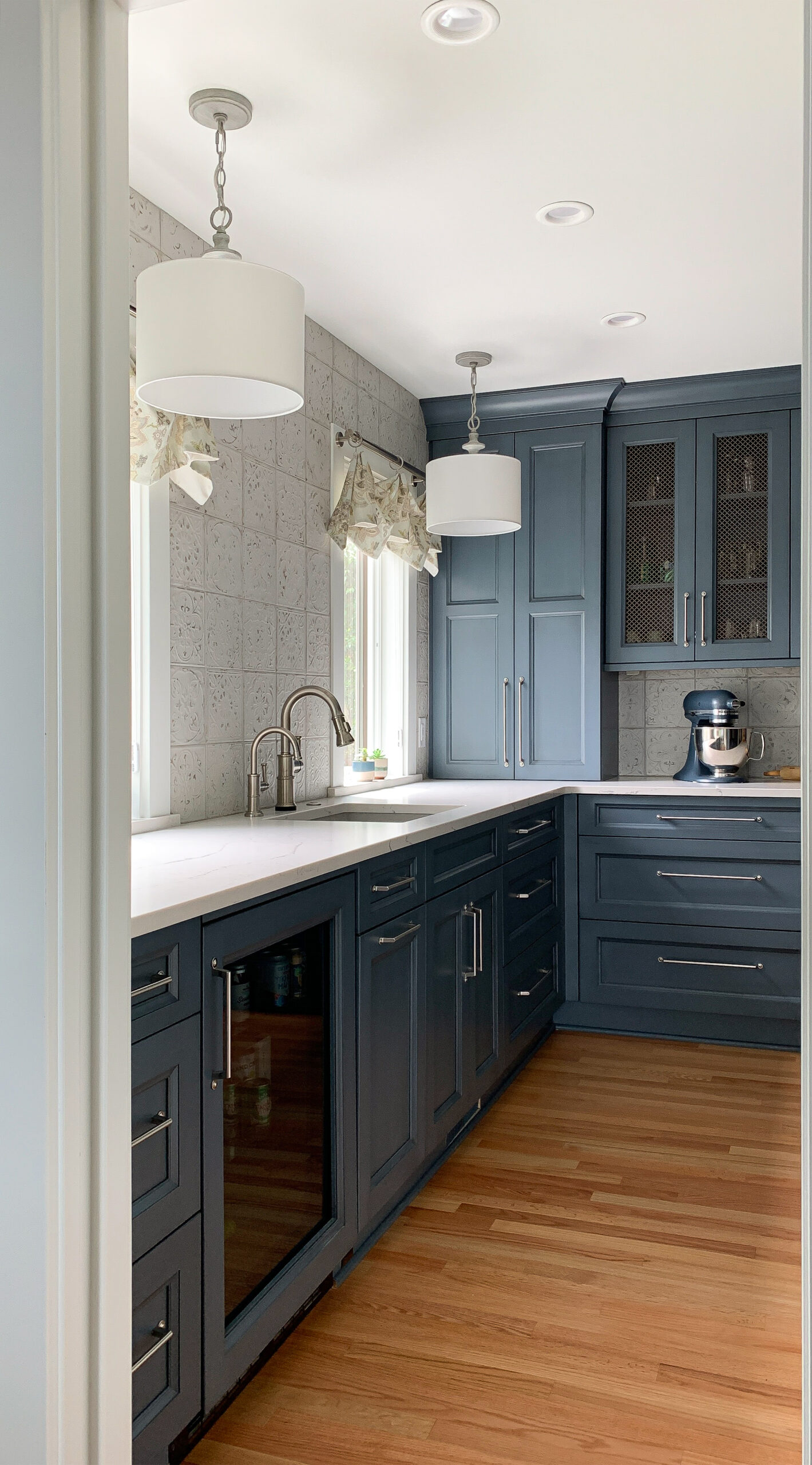
A butler pantry is where form and function meet in a more refined, elevated way. Traditionally positioned between the kitchen and dining area, this space was once used for staging meals and storing fine dishware. Today, it has evolved into a beautifully designed extension of the kitchen—often acting as a secondary workspace.
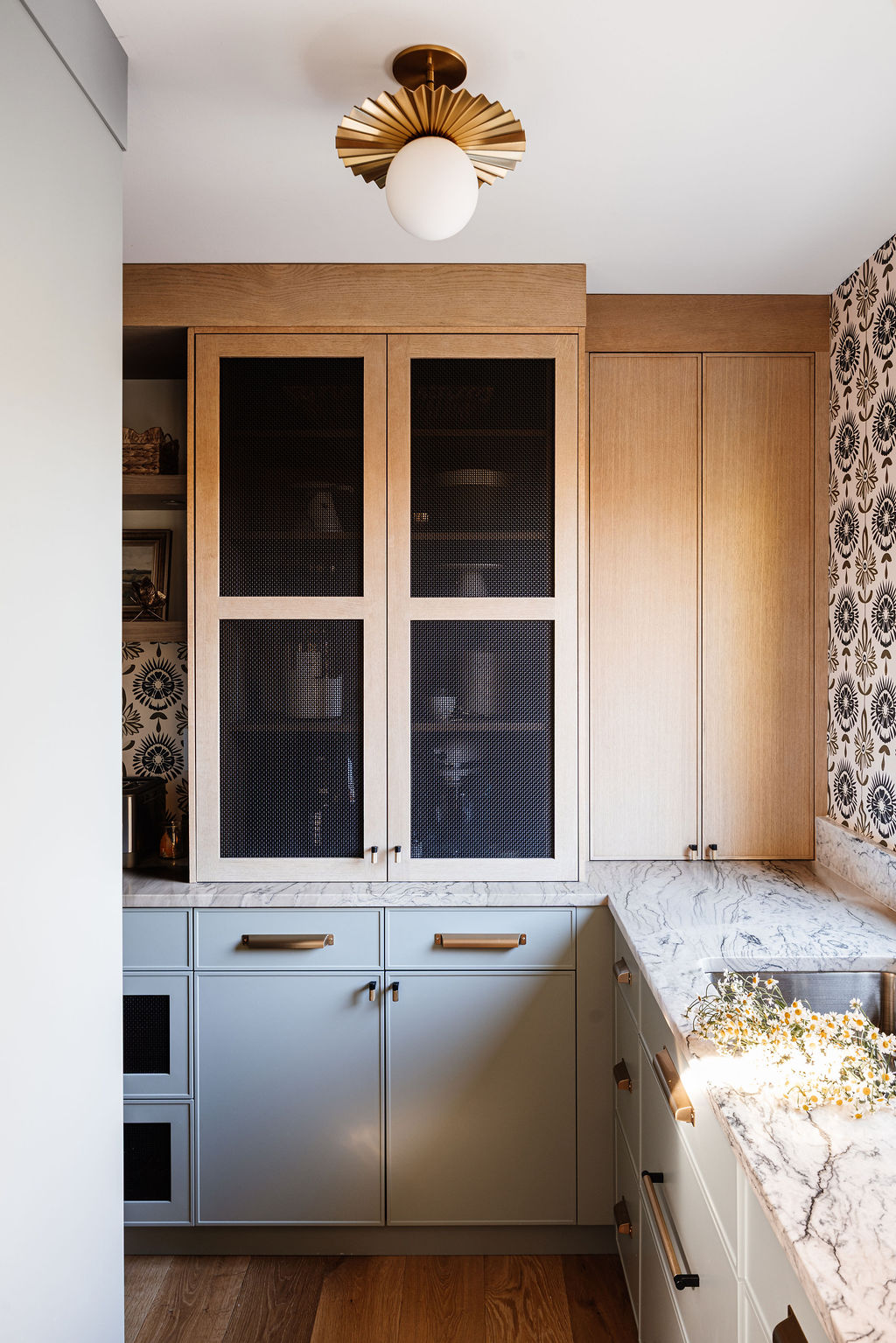
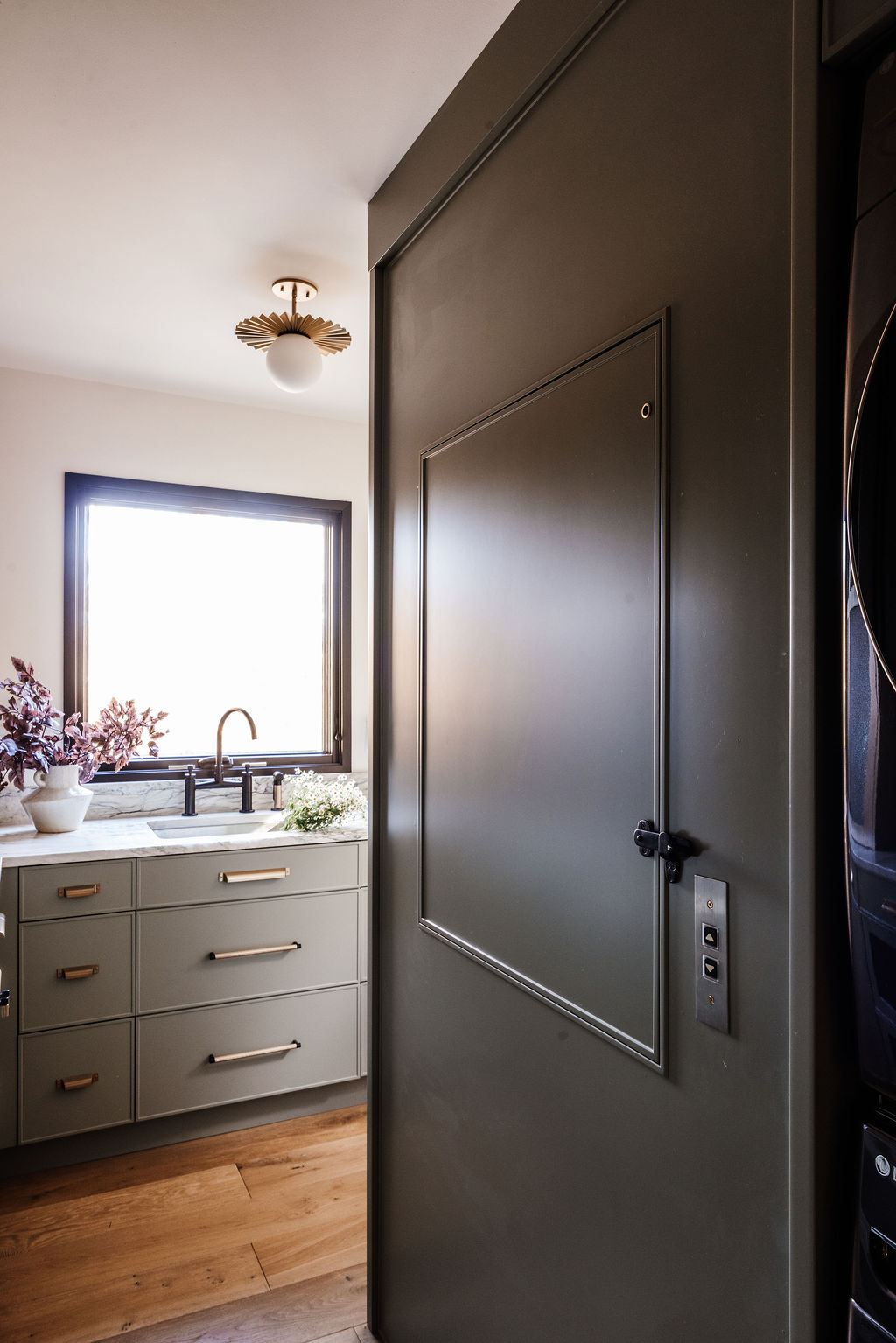
Think of it as a hidden layer of the kitchen experience.
A well-designed butler’s pantry may include:
- Custom cabinetry that mirrors or complements the main kitchen
- Stone or quartzite countertops for prep and serving
- Integrated appliances like beverage fridges, ice makers, or espresso machines
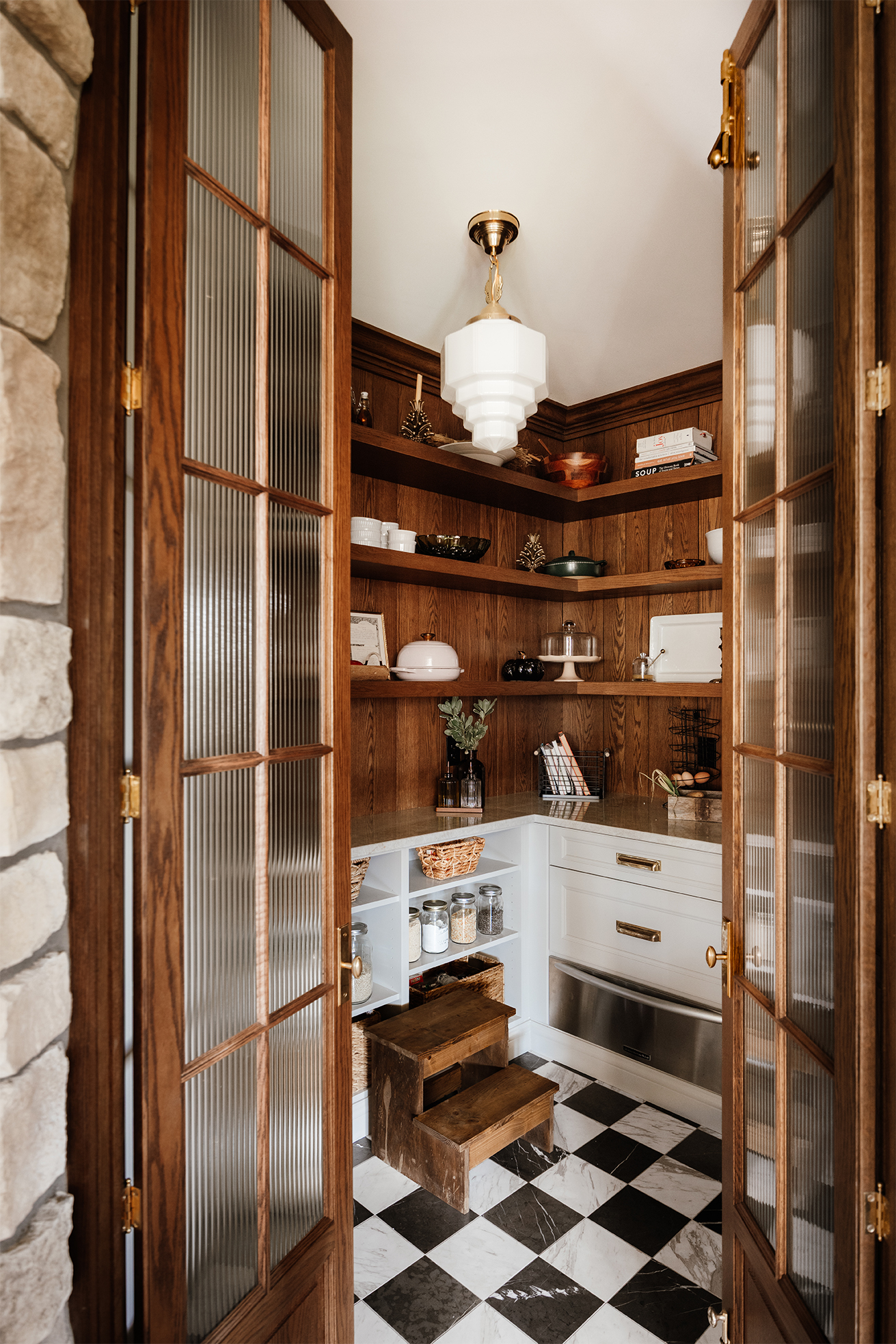
- Open shelving or glass-front cabinetry for curated display
- Layered lighting that creates warmth and ambiance
This space is especially valuable for those who love to host. It allows for preparation and clean-up to happen quietly behind the scenes, keeping the main kitchen open, calm, and guest-ready.
The essence of a butler pantry is not just utility; it’s an experience.
What Is a Walk-In Pantry?
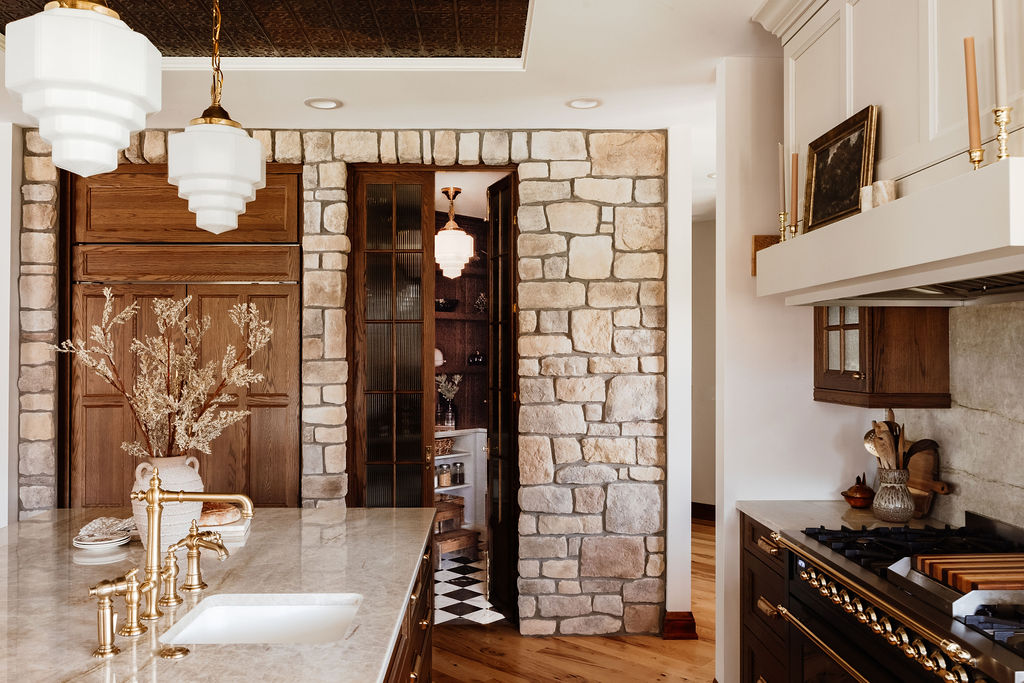
A walk-in pantry is designed with one primary goal: functionality at scale.
This is where real life lives: groceries, small appliances, bulk goods, and everything in between. Typically located just off the kitchen, a walk-in pantry offers generous storage with easy access, making it ideal for busy households and families.
Common features include:
- Floor-to-ceiling shelving or built-in cabinetry
- Dedicated zones for dry goods, snacks, and appliances
- Pull-out drawers, baskets, and labeled containers
- Durable surfaces that can handle daily use
- Ample lighting for visibility and organization
Unlike a butler pantry, which leans into presentation, a walk-in pantry prioritizes efficiency. It’s about knowing exactly where everything is and moving through your routine with ease.
The beauty of a walk-in pantry lies in its quiet order.
Key Differences: Butler's Pantry vs. Walk-In Pantry
While both spaces serve as extensions of the kitchen, their purpose and design intent are distinctly different.
A butler’s pantry is:
- Design-forward and visually elevated
- Often used for staging, serving, and entertaining
- A secondary prep space with integrated finishes and appliances
- More curated, with attention to detail and ambiance
A walk-in pantry is:
- Storage-driven and highly functional
- Designed for organization and accessibility
- Focused on everyday use and efficiency
- Often concealed and less design-centric (though no less intentional)
Neither is better than the other; it simply comes down to how you live.
Choosing the Right Pantry for Your Home
The decision between a butler’s pantry and a walk-in pantry starts with one question:
What does your daily rhythm require?
If your home is centered around hosting, gathering, and creating moments around food, a butler pantry offers a beautiful way to support that lifestyle. It creates space to prepare without disrupting the kitchen's flow, keeping the main area calm and connected.
If your priority is keeping a busy household organized, managing groceries, snacks, and appliances, a walk-in pantry brings structure and ease to everyday routines.
For many homes, the answer isn’t one or the other.
The Best of Both: Layered Pantry Design
One of the most thoughtful trends we’re seeing, and designing, is a layered pantry approach.
This concept blends the beauty of a butler’s pantry with the practicality of a walk-in pantry, creating a dual-purpose space that feels both elevated and effortless.
Imagine:
- A front-facing butler’s pantry with stunning cabinetry, a prep sink, and warm lighting
- A concealed door that leads to a fully functional walk-in pantry behind it
- Seamless material transitions that make the entire experience feel cohesive
This approach allows homeowners to enjoy the best of both worlds: a space that feels curated and intentional, while still supporting the realities of everyday life.
Design Details That Make the Difference
No matter which direction you choose, the most successful pantry designs are rooted in thoughtful details.
At Revival House, we focus on elements that bring both beauty and function into alignment:
- Custom cabinetry tailored to your storage needs and lifestyle
- Material continuity that connects the pantry to the kitchen
- Intentional lighting that enhances both visibility and mood
- Integrated storage solutions that reduce clutter and increase efficiency
- Flow and placement that feel natural within the overall layout
Because when a pantry is designed well, it doesn’t just store your life—it supports it.
Designing for the Way You Live
The most meaningful spaces are the ones that feel intuitive. Where everything has a place. Where movement feels natural. Where design quietly enhances your day without asking for attention.
A pantry, whether a butler pantry, a walk-in pantry, or a layered combination of both, can transform how your kitchen functions and how your home feels.
It’s not about choosing more space. It’s about choosing a smarter space. At Revival House, we design with intention, creating homes that reflect not just how you want them to look, but how you want them to live.

